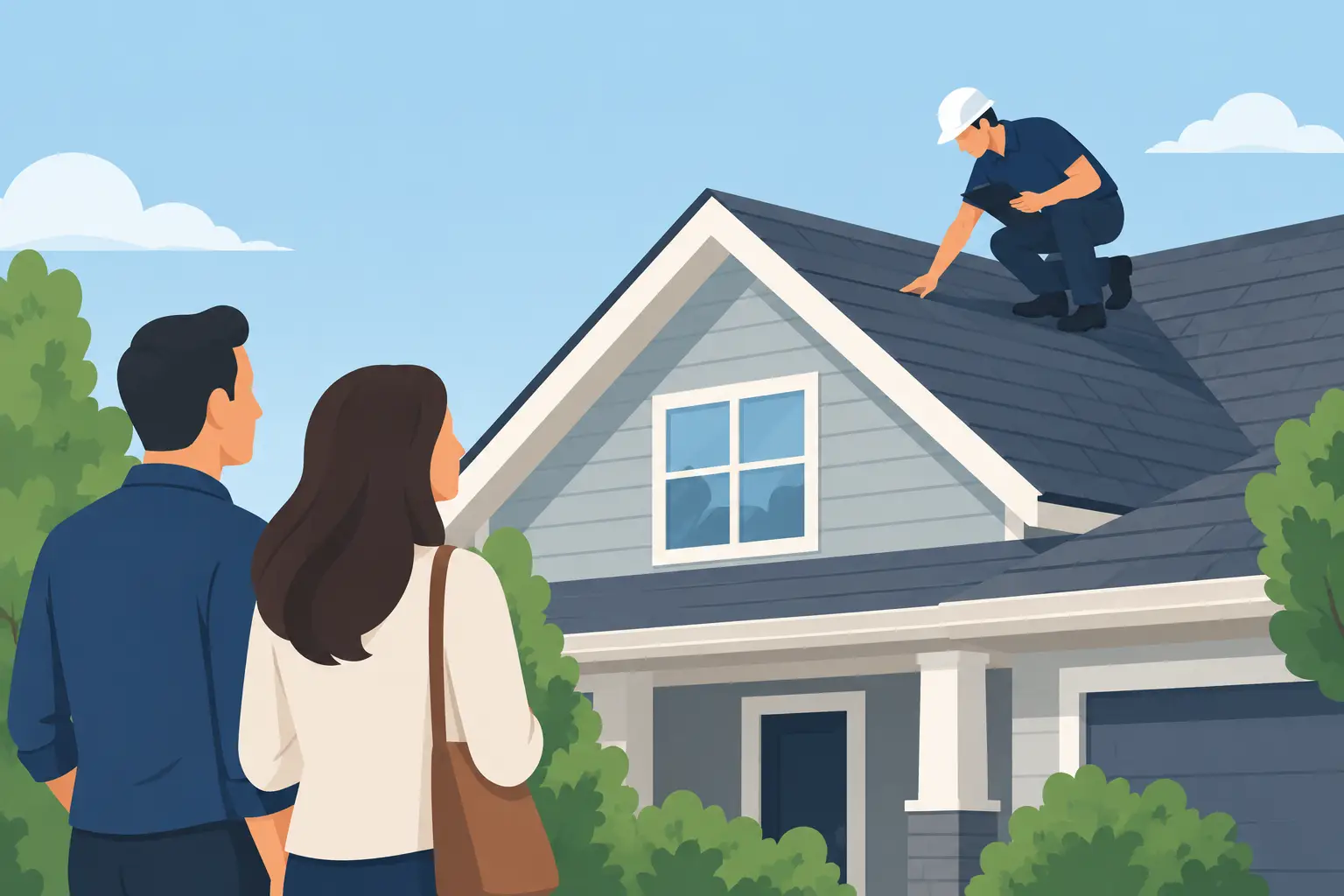
A stained ceiling, curled shingle, or patched flashing can turn a promising Connecticut home into an expensive surprise after closing. Scheduling a roof inspection before buying a house gives you a clearer picture of one of the property’s most costly and weather-exposed systems before your purchase decision is final.
The roof is easy to overlook during a showing. From the ground, it may appear neat and serviceable. But its remaining life, drainage details, past repairs, and concealed moisture concerns can affect your budget, your insurance options, and the terms you negotiate with the seller. A qualified inspection turns a quick visual impression into practical information you can use.
Why a Roof Inspection Before Buying a House Is Worth It
Roof replacement is not a minor maintenance item. Costs vary widely with roof size, pitch, material, access, layers of existing roofing, and the condition of the decking beneath. If the roof is nearing the end of its service life, buyers need to know whether they are purchasing a home that needs routine upkeep or one that may require a major project soon after move-in.
Connecticut weather adds to the risk. Heavy rain, wind, snow loads, ice dams, freeze-thaw cycles, and falling branches can all expose weaknesses in a roof system. A small flashing problem around a chimney or vent pipe can allow water into an attic for months before a visible ceiling stain appears. By the time interior damage is obvious, repairs may involve insulation, framing, drywall, or mold remediation in addition to the roof itself.
A thorough home inspection includes an evaluation of readily accessible roof components. Depending on the home’s design and site conditions, a more focused roof inspection may also be appropriate. This is particularly useful when the roof looks aged, repairs are visible, the seller cannot provide records, or a general inspection identifies conditions that need closer review.
What an Inspector Looks for on the Roof
A roof assessment is about more than estimating the age of the shingles. The goal is to identify observable defects, signs of deterioration, and conditions that could permit water intrusion or shorten the roof’s remaining service life.
Roofing Material and Overall Condition
The inspector evaluates the visible condition of asphalt shingles, metal panels, slate, wood shakes, or other roofing material. On an asphalt roof, concerns may include missing, cracked, loose, curled, worn, or heavily granulated shingles. Exposed fasteners, deteriorated seal strips, and uneven surfaces can also point to installation or aging issues.
Age matters, but it is not the full story. A newer roof can have defects from poor installation, while an older roof may still have useful life if it has been properly maintained. Records from the seller can help, but the current condition carries more weight than a verbal estimate of when the roof was installed.
Flashing, Penetrations, and Transitions
Many leaks begin where the roof changes direction or meets another component. Inspectors pay close attention to flashing around chimneys, skylights, vents, dormers, valleys, sidewalls, and plumbing penetrations. Rusted flashing, gaps, exposed roofing cement, loose counterflashing, and patchwork repairs deserve attention because these areas manage concentrated water flow.
A small amount of sealant is not automatically a problem. However, large or repeated applications of roofing cement can be a sign that a recurring leak was patched rather than properly repaired. The right next step depends on the location, material, and extent of the concern.
Drainage and Roof Edges
Water needs a reliable path off the roof and away from the house. Gutters, downspouts, drip edges, and grading all play a role. Clogged or damaged gutters can contribute to water backing up beneath shingles, rotting fascia boards, and ice dam conditions in winter.
The inspector may also note tree limbs hanging over the roof. Branches can scrape roofing materials, trap moisture and debris, or cause damage during storms. Trimming them may be simple maintenance, but buyers should understand whether the roof has already sustained impact damage.
Attic Evidence of Moisture or Ventilation Problems
When the attic is safely accessible, it often provides valuable clues about roof performance. Water staining, active moisture, mold-like growth, damp insulation, daylight visible through the roof structure, or deteriorated sheathing may indicate leakage or condensation concerns.
Ventilation is evaluated as well. An improperly ventilated attic can trap heat and moisture, contribute to premature shingle wear, and increase the chance of winter ice dams. Not every dark mark on wood is an active leak, and not every damp attic comes from the roof. An experienced inspector helps distinguish visible evidence from assumptions and recommends further evaluation when needed.
What a Roof Inspection Cannot Guarantee
A professional inspection is a visual, noninvasive assessment of conditions that are accessible at the time of the appointment. It cannot predict the exact date a roof will leak, confirm conditions hidden beneath roofing materials, or guarantee how a roof will perform in the next severe storm.
Weather and access can also affect the scope. Snow cover, ice, rain, steep slopes, fragile materials, locked attic access, or unsafe conditions may limit what can be observed. In those cases, your inspection report should clearly identify the limitation and recommend an appropriate follow-up, such as a roofer’s evaluation once conditions permit.
This is not a reason to skip the inspection. It is a reason to choose an inspector who documents what was observed, explains what could not be verified, and gives you a practical path forward.
Questions Buyers Should Ask Before Their Inspection Period Ends
If the roof is a concern, ask the seller for the installation date, permits if applicable, warranty paperwork, invoices, and records of repairs. Also ask whether there have been leaks, ice dam issues, insurance claims, or prior roof replacements. A seller’s disclosure can be useful, but documentation provides a stronger basis for evaluating the roof’s history.
During the inspection, ask direct questions: Does the roof appear near the end of its service life? Are repairs urgent or routine? Is there evidence of active leakage? Does the attic show moisture damage? Would a licensed roofing contractor need to evaluate a specific condition before you proceed?
The answers help you determine whether to request repairs, seek a credit, adjust your offer, obtain contractor estimates, or simply plan for future replacement. In a competitive market, some buyers may choose to accept an aging roof. That can be reasonable when the purchase price, financing, and repair budget account for it. The problem is not buying a home with an older roof. The problem is buying it without understanding the risk.
When to Add a Specialist Roof Evaluation
A general home inspection is often the right starting point, but certain findings call for a roofing contractor or specialist. Consider further evaluation when there are signs of active leaking, widespread shingle damage, sagging roof planes, extensive patching, visible structural concerns, a complex slate or metal roof, or evidence of moisture in the attic.
A specialist may be able to provide a repair scope, replacement estimate, and more detailed assessment of materials that are not fully visible during a standard inspection. If the home has a flat or low-slope roof, multiple additions, solar equipment, or a chimney with visible flashing issues, that extra detail can be especially valuable.
For Connecticut buyers, timing matters. Inspection contingencies are usually limited, and contractor schedules can fill quickly after storms. Arrange the inspection early in your due-diligence period so you have time to review the report, ask questions, and make decisions without rushing.
Make the Roof Part of the Whole Property Decision
A roof should not be judged in isolation. Its condition connects to attic ventilation, insulation, exterior drainage, chimney maintenance, interior moisture, and the overall age of the home’s systems. A detailed inspection helps you see those connections and prioritize what truly needs attention.
Grizzly Home Inspections provides accurate, detailed, and fast property assessments for Connecticut buyers who need clear answers before closing. The goal is not to create unnecessary alarm. It is to document observable conditions, explain the practical implications, and give you information you can use in a high-stakes decision.
Before you commit to a house, make sure the roof has received more than a glance from the driveway. A clear assessment now can help you move forward with realistic expectations, a better negotiation position, and a repair plan that fits your budget.